


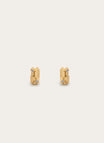
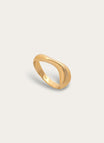
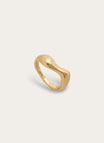
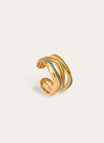
Choisir le matériau des bijoux est une décision fondamentale qui influence la durabilité, l'esthétique, le confort et même la santé de votre peau. Entre l'or, l'argent, le plaquage or et l'acier inoxydable, comment identifier le matériau qui convient à vos besoins et à votre style de vie ? Chez AEREA, un studio de design spécialisé dans la création de bijoux contemporains, nous privilégions des matériaux de qualité qui allient esthétique, durabilité et éthique. Ce guide vous aide à comprendre les différents matériaux de bijoux et à faire un choix éclairé.
Comprendre les Matériaux des Bijoux
Métaux Précieux vs Métaux Courants
Les métaux précieux – or, argent, platine – préservent leur valeur dans le temps et résistent naturellement à l'oxydation. Ce sont des investissements durables qui traversent les générations.
Les métaux courants – cuivre, laiton, acier inoxydable – sont plus financièrement accessibles mais peuvent s'oxyder ou provoquer des réactions allergiques selon leur composition et leur traitement.
Entre les deux, le plaquage or offre un compromis intéressant : esthétique dorée à un prix plus accessible, avec une durabilité qui dépend essentiellement de l'épaisseur du plaquage.
L'Importance de la Qualité des Matériaux
Des bijoux de qualité commencent par des matériaux de qualité. Le même métal peut varier considérablement en pureté, finition et longévité selon son origine et son traitement.
Chez AEREA, nous utilisons exclusivement de l'argent et du laiton recyclés certifiés RJC provenant de sources responsables. Cette traçabilité garantit non seulement la qualité métallurgique, mais aussi l'absence d'exploitation humaine ou environnementale dans la chaîne de production.
Argent : Le Classique Intemporel
Argent Sterling 925
L'argent 925 (également appelé argent sterling) contient 92,5 % d'argent pur et 7,5 % d'autres métaux (généralement du cuivre) pour augmenter sa résistance. C'est la norme internationale pour les bijoux en argent.
Avantages:
- Bijoux durables qui traversent les décennies
- Bijoux hypoallergéniques – rarement responsables de réactions cutanées
- Esthétique élégante et intemporelle
- Prix accessible par rapport à l'or
- Peut être poli et restauré indéfiniment
Caractéristiques à connaître:
- L'argent ternit naturellement au contact de l'air (oxydation des bijoux)
- Cette oxydation n'est pas un défaut mais un processus naturel
- Un simple polissage avec un chiffon doux restaure l'éclat
Entretien des bijoux en argent: Nettoyez régulièrement avec un chiffon doux spécifiquement pour l'argent. Pour un nettoyage plus approfondi, utilisez de l'eau tiède savonneuse et une brosse douce. Séchez immédiatement. Rangez dans un endroit sec, idéalement dans une pochette anti-ternissement.
Pour qui ? : L'argent convient à tout le monde, en particulier à ceux qui recherchent des bijoux de qualité à un prix abordable, qui apprécient l'esthétique lumineuse de l'argent, ou qui ont la peau sensible.
Argent recyclé : L'option éco-responsable
L'argent recyclé certifié RJC provient de vieux bijoux, de composants électroniques ou de déchets industriels refondus et purifiés. Il est métallurgiquement identique à l'argent nouvellement extrait, mais son impact environnemental est infiniment moindre.
L'extraction de l'argent minier nécessite d'énormes quantités d'eau, génère des déchets toxiques et détruit des écosystèmes entiers. En choisissant des bijoux en argent recyclé, vous évitez de contribuer à cette destruction tout en obtenant exactement la même qualité.
Tous les bijoux en argent AEREA utilisent exclusivement de l'argent recyclé certifié. Ce sont des bijoux durables au sens le plus complet : durables dans le temps et durables dans leur impact.
Or : Le métal noble
Or massif – Carats et alliages
L'or pur (24 carats) est trop tendre pour les bijoux quotidiens. Il est donc allié à d'autres métaux pour augmenter sa résistance :
Or 18 carats (750/1000) : 75 % d'or pur, 25 % d'alliages. C'est la norme haut de gamme européenne. Assez résistant pour une utilisation quotidienne, suffisamment riche en or pour préserver son éclat et sa valeur.
Or 14 carats (585/1000) : 58,5 % d'or pur. Plus résistant que l'or 18 carats, prix plus accessible, mais moins riche en or.
Or 9 carats (375/1000) : 37,5 % d'or pur. Le minimum légal pour être appelé "or" dans de nombreux pays. Plus abordable mais contient plus de métaux d'alliage pouvant provoquer des réactions allergiques.
Couleurs de l'or:
- Or jaune : Alliage avec du cuivre et de l'argent
- Or blanc : Alliage avec du palladium et de l'argent, souvent plaqué rhodium
- Or rose : Alliage avec une forte proportion de cuivre
Avantages:
- Bijoux qui ne ternissent pas et ne s'oxydent pas
- Valeur intrinsèque préservée
- Bijoux résistants à une utilisation quotidienne
- Prestige et esthétique luxueuse
Inconvénient : Prix élevé, en particulier pour l'or 18 carats.
Pour qui ? : Ceux qui recherchent un investissement durable, qui veulent des bijoux résistants nécessitant peu d'entretien, ou qui privilégient la valeur de revente.
Plaquage en or : Esthétique accessible
Comment fonctionne le plaquage ?
Le plaquage en or consiste à déposer une fine couche d'or véritable sur un métal de base (généralement du laiton ou de l'argent) par électrolyse. L'épaisseur de cette couche détermine directement la durabilité des bijoux.
Normes de plaquage:
- Plaquage standard : 0,5 micron – se dégrade en quelques mois avec un port quotidien
- Plaquage épais : 2,5-3 microns – dure plusieurs années avec un entretien approprié
- Vermeil : Or sur argent 925 avec une épaisseur minimale de 2,5 microns
Chez AEREA, nos bijoux plaqués en or utilisent un plaquage de 2,5 à 3 microns – six fois plus épais que la norme de l'industrie. Cette épaisseur garantit une durabilité exceptionnelle comparable à celle de l'or massif pour un usage quotidien.
Avantages:
- Esthétique en or à prix accessible
- Les bijoux de qualité avec un plaquage épais durent des années
- Polyvalence – tous les designs possibles
- Bijoux résistants si plaquage de qualité
Entretien : Éviter le contact avec l'eau, les parfums, les lotions. Nettoyer avec un chiffon doux. Retirer avant de dormir, de faire de l'exercice ou de prendre une douche. Avec ces précautions, le plaquage en or de qualité préserve son éclat pendant des années.
Pour qui ? : Ceux qui aiment l'esthétique de l'or mais préfèrent un prix plus accessible, qui souhaitent constituer une collection variée, ou qui apprécient de renouveler régulièrement leurs bijoux.
Acier inoxydable : Robustesse moderne
Caractéristiques de l'acier 316L
L'acier inoxydable 316L (également appelé acier chirurgical) est l'alliage le plus utilisé dans les bijoux contemporains. Il contient du chrome, du nickel et du molybdène qui le rendent extrêmement résistant.
Avantages:
- Bijoux extrêmement résistants – rayures, chocs, déformations
- Bijoux qui ne ternissent pas, ne s'oxydent pas
- Résiste à l'eau, à la transpiration, aux produits chimiques
- Prix très accessible
- Entretien minimal
Inconvénient majeur : Contient du nickel, principal allergène des bijoux. Malgré l'appellation "acier chirurgical", il peut provoquer des réactions chez les personnes sensibles au nickel.
Pour qui ? : Personnes actives recherchant des bijoux ultra-résistants ne nécessitant aucun entretien, hommes préférant l'esthétique masculine de l'acier, personnes avec un budget limité. Non recommandé pour les personnes allergiques au nickel.
Laiton : La base polyvalente
Le laiton est un alliage de cuivre et de zinc, souvent utilisé comme base pour le plaquage en or ou en argent.
Laiton brut : Esthétique dorée chaude qui s'oxyde naturellement vers des tons plus cuivrés. Cette patine peut être appréciée (esthétique vintage) ou évitée par un entretien régulier.
Laiton plaqué : Le laiton sert de base stable pour recevoir un plaquage en or ou en argent. C'est la méthode privilégiée pour créer des bijoux accessibles avec une esthétique en métal précieux.
Important : Le laiton contient du cuivre qui peut provoquer des réactions cutanées chez certaines personnes (coloration verte de la peau, irritation). Un plaquage de qualité élimine ce contact direct.
Bijoux hypoallergéniques : Priorité à la santé
Qu'est-ce que les bijoux hypoallergéniques ?
Les bijoux hypoallergéniques minimisent le risque de réaction allergique cutanée. Cela ne signifie pas "zéro risque" – toute personne peut être allergique à n'importe quelle substance – mais que le matériau utilisé provoque rarement des réactions.
La plupart des matériaux hypoallergéniques:
- Titane : Extrêmement rare en allergie, ultra-léger, très résistant
- Niobium : Semblable au titane, utilisé dans le perçage corporel médical
- Argent 925 : Rarement allergène, sauf s'il est fortement allié
- Or 18 carats : Haute teneur en or limite les métaux allergènes
- Platine : Pratiquement jamais allergène, mais très coûteux
Matériaux à éviter avec une peau sensible:
- Nickel (présent dans l'acier inoxydable, certains ors blancs)
- Contact direct avec le cuivre (dans le laiton non plaqué)
- Or de faible carat (9 ou 10K) avec une forte proportion d'alliages
L'allergie aux bijoux la plus fréquente : Nickel
Le nickel est responsable de 80 % des allergies aux bijoux. La réaction se manifeste par des rougeurs, des démangeaisons, des vésicules ou des croûtes au point de contact.
Cette allergie peut se développer progressivement – vous portez des bijoux pendant des années sans problème, puis soudainement votre peau réagit. Une fois développée, l'allergie au nickel est permanente.
Réglementation européenne : L'UE limite strictement la libération de nickel dans les bijoux avec contact prolongé avec la peau (maximum 0,5 μg/cm²/semaine). Les bijoux AEREA respectent largement ces normes.
Bijoux résistants : Longévité et utilisation
Classement par résistance à l'utilisation quotidienne
Très résistant (usure quotidienne intensive) :
- Platine
- Acier inoxydable
- Titane
- Or 18 carats
Résistant (usure quotidienne avec précautions) :
- Argent 925
- Or 14 carats
- Plaquage en or épais (>2,5 microns)
Modérément résistant (usure occasionnelle) :
- Plaquage en or standard (<1 micron)
- Laiton non traité
- Or 9 carats (plus d'alliages = plus fragile paradoxalement)
Facteurs qui dégradent les bijoux
Eau : Particulièrement problématique pour le plaquage en or et le laiton. L'eau accélère l'oxydation et dégrade progressivement le plaquage.
Produits chimiques : Parfums, lotions, chlore de piscine, produits de nettoyage – tous attaquent les finitions et peuvent ternir ou corroder les métaux.
Friction : Les bijoux frottent contre les vêtements, d'autres bijoux, des objets quotidiens. Cette friction use progressivement la surface.
Transpiration : L'acidité de la sueur accélère l'oxydation, en particulier sur l'argent et le laiton.
Chocs mécaniques : Déforment les métaux tendres (or pur, argent), peuvent casser les sertissages.
Entretien selon le matériau
Argent
Quotidien : Essuyer avec un chiffon doux après chaque port. Régulier : Polissage avec un chiffon spécial pour l'argent. Profond : Eau tiède savonneuse + brosse douce, bien sécher. Stockage : Poche anti-ternissement, environnement sec.
Plaquage en or
Quotidien : Retirer avant tout contact avec l'eau. Régulier : Chiffon doux sec uniquement – jamais de produits abrasifs. À éviter : Parfum, lotion, sport, dormir avec des bijoux. Stockage : Poche individuelle pour éviter les rayures.
Or massif
Quotidien : L'or nécessite peu d'entretien. Régulier : Eau tiède savonneuse + brosse douce en cas d'accumulation de saleté. Profond : Nettoyage professionnel annuel pour restaurer l'éclat. Stockage : Aucune précaution particulière nécessaire.
Acier inoxydable
Quotidien : Aucun entretien nécessaire. Nettoyage : Eau + savon si désiré, l'acier résiste à tout. Stockage : Aucune précaution nécessaire.
La philosophie AEREA
Chez AEREA, nous sélectionnons chaque matériau selon trois critères non négociables : qualité, durabilité et éthique.
Nos bijoux en argent utilisent exclusivement de l'argent recyclé certifié RJC – même qualité métallurgique que l'argent vierge, impact environnemental minimal. Notre plaquage en or bénéficie d'un plaquage six fois plus épais que la norme de l'industrie, garantissant une durabilité exceptionnelle.
Nous ne cherchons pas à imiter l'or avec des matériaux bon marché qui se dégradent rapidement. Nous créons des bijoux contemporains conçus pour durer des décennies, portant notre signature esthétique tout en respectant les normes de qualité les plus élevées.
Choisir les bijoux AEREA, c'est choisir la transparence : nous indiquons clairement la composition de chaque pièce, l'épaisseur du plaquage, l'origine des matériaux. C'est comprendre que des bijoux de qualité commencent par des matériaux de qualité.
Que vous optiez pour de l'argent recyclé pour ses qualités hypoallergéniques et son éclat intemporel, ou pour notre plaquage en or ultra-épais pour une esthétique dorée à un prix accessible, vous investissez dans des bijoux durables conçus pour accompagner votre vie quotidienne pendant des années.