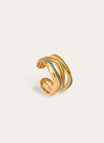
For centuries, craft has been defined by the hand. Today, it is equally shaped by the mind, the tool, and the intention behind making. At AEREA Studio, 3D design is not an end in itself, but a means to extend craft into new territories — where precision, material intelligence, and responsibility converge.
From Hand to Code, From Code to Object
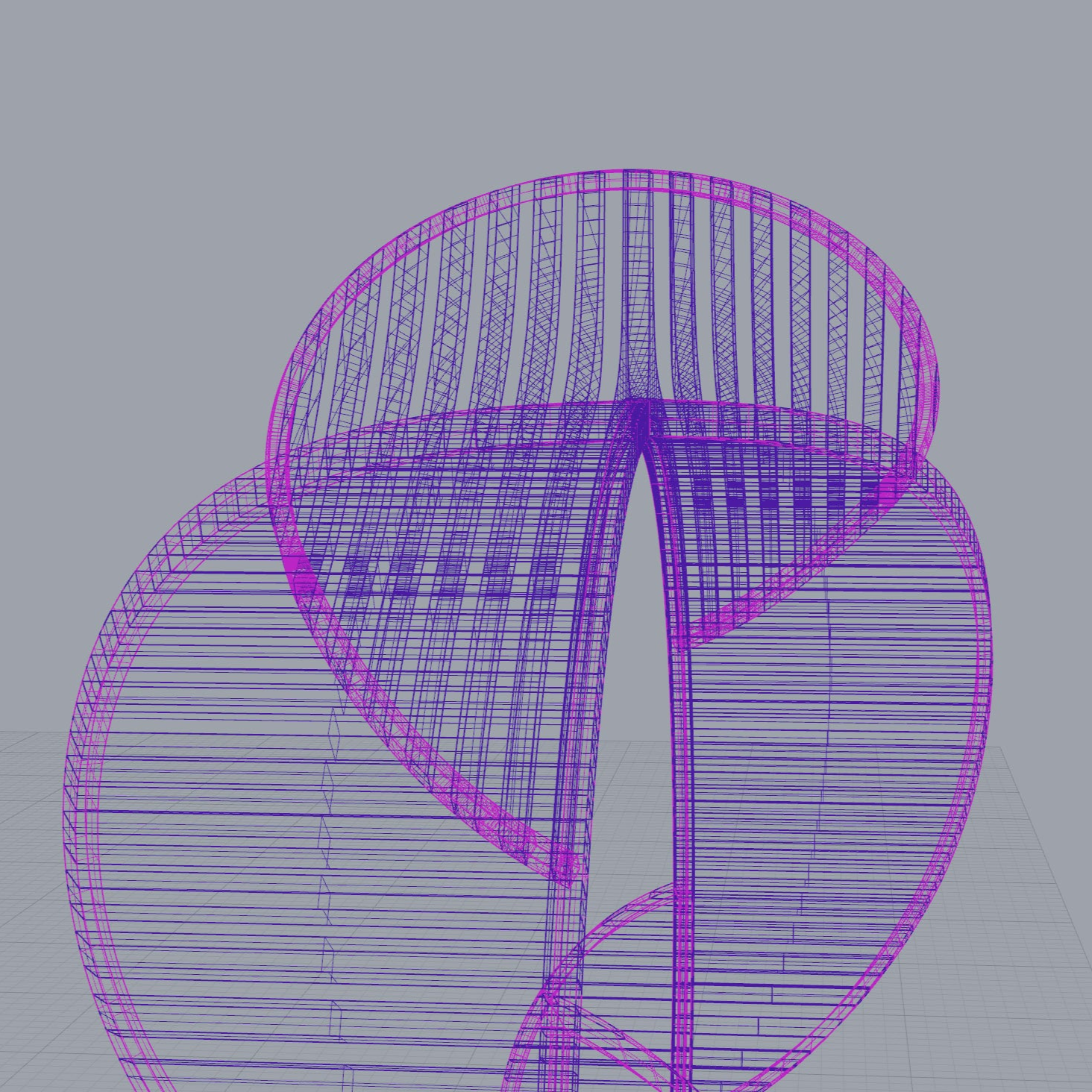
Every object begins long before production. Through 3D modelling and computational design, forms are explored, tested, and refined digitally. This phase allows us to study proportion, structure, and scale with a level of accuracy that traditional sketching alone cannot offer.
Yet digital design does not replace craft — it redefines it. The screen becomes a contemporary workbench, where decisions are made with the same care once reserved for chisels and moulds.
Precision as a New Form of Sensitivity
3D tools allow for millimetre-level precision, but precision is not neutrality. It is a deliberate act. Each curve, void, and thickness is chosen in response to material behaviour, light interaction, and intended use.
This approach enables forms that are structurally efficient, visually balanced, and materially honest. The object is not forced into shape; it emerges from a dialogue between geometry and constraint.
Craft in the Age of Additive Manufacturing
Craft has always been about understanding material limits. With additive manufacturing, those limits shift — but they do not disappear.
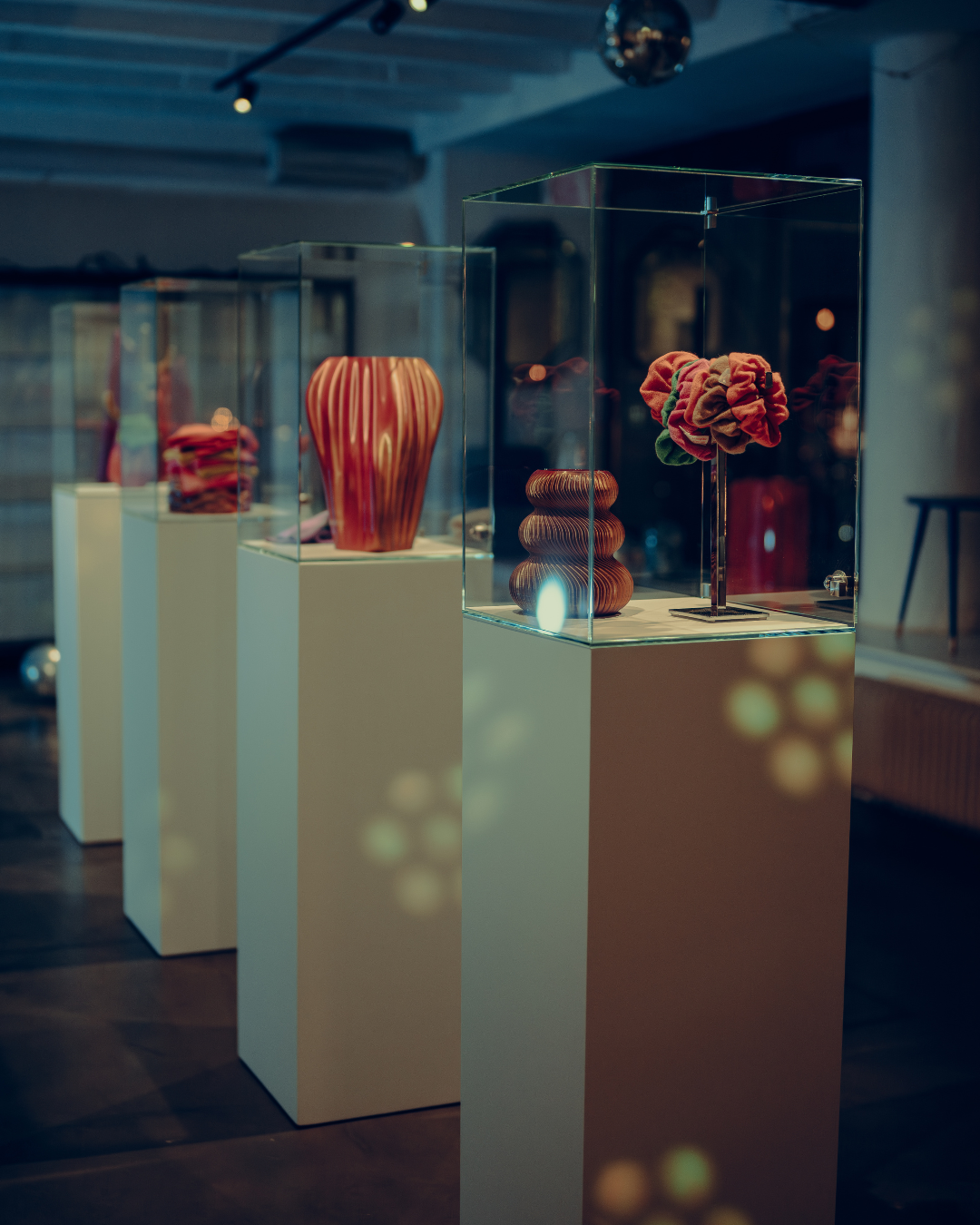
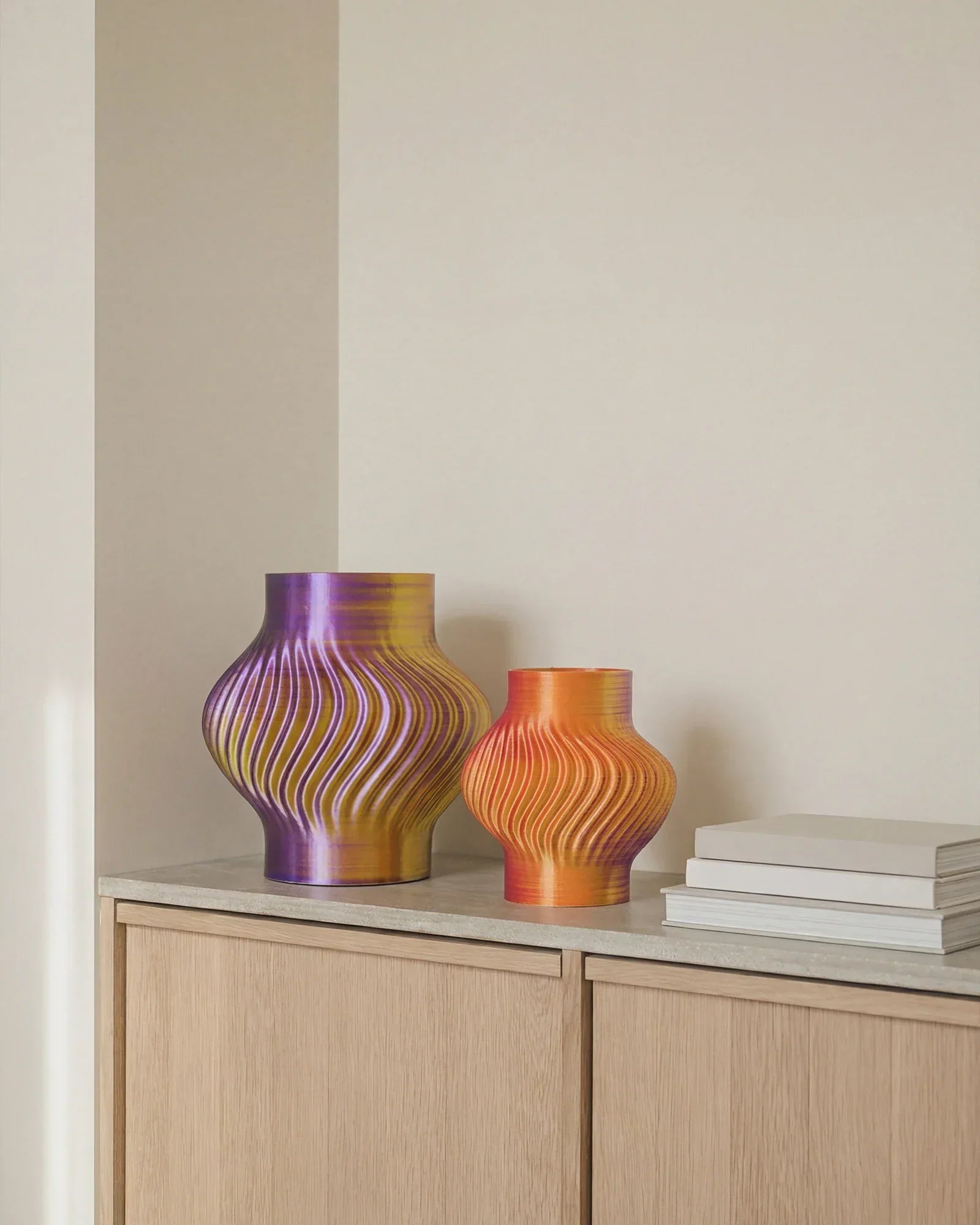
3D printing introduces its own constraints: layer orientation, tolerances, surface textures, and structural logic. Mastery lies in working within these parameters, not against them. The result is a new form of craftsmanship, where knowledge of the process becomes as important as the final gesture.
Each piece is produced layer by layer, leaving subtle traces of its making — a contemporary equivalent of the artisan’s mark.
Designed Before It Exists
Unlike traditional production, where material is cut away, our objects are fully conceived before they exist physically. This foresight allows for optimisation at every stage: less waste, reduced energy consumption, and no excess stock.
Production becomes intentional rather than speculative. Objects are made to order, responding to need rather than volume.
Material Intelligence and Responsibility
We work primarily with PLA (polylactic acid), a material derived from renewable resources. Lightweight, durable, and adaptable, it aligns with our belief that innovation must also carry responsibility.
By combining digital design with sustainable materials, we reduce environmental impact while expanding formal possibilities. Sustainability is not an afterthought — it is embedded in the design process itself.
Same DNA, Different Scales
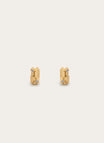
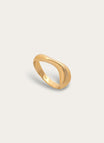
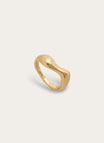
The same principles guide our work across scales — from jewellery to homeware. Proportion, balance, and material behaviour remain constant, even as the object changes size or function.
This continuity reinforces a singular design language, where each piece belongs to a broader system rather than standing alone.
Craft as a Value, Not a Technique
Craft is not defined by nostalgia or tradition. It is defined by care, intention, and mastery. Whether working by hand or through code, what matters is the commitment to making objects that last — visually, materially, and conceptually.
At AEREA Studio, 3D is a tool.
Craft remains the value.